
11 Mar Pregnancy Varicose Veins: Causes and Treatment
Pregnancy Varicose Veins are a common concern for many women during pregnancy, usually appearing in the legs or pelvic area. These swollen veins can cause discomfort, heaviness, or swelling in the limbs, potentially affecting daily activities if not managed properly.
What Are Pregnancy Varicose Veins?
Vein enlargement during pregnancy occurs when the valves in leg veins, which prevent blood from flowing backward, weaken. This causes blood to pool, leading to twisted and enlarged veins. Increased blood volume and the growing uterus put extra pressure on pelvic veins, raising the risk of vein swelling.
Causes of Swollen Veins in Pregnancy
Hormonal Changes
Higher progesterone levels during pregnancy relax vein walls, making them more prone to stretching and swelling. This adaptation helps the body accommodate pregnancy but also increases circulatory stress.
Increased Blood Volume and Pressure
Pregnancy raises blood volume, putting extra pressure on veins in the legs and pelvis. The uterus compresses pelvic veins, reducing normal blood flow and contributing to vein enlargement.
Genetic Factors
A family history matters. If a mother or sister experienced vein issues during pregnancy, your likelihood of developing similar problems increases.
Weight Gain
Excessive or rapid weight gain during pregnancy adds pressure on leg veins, encouraging swelling and varicose formation.
Prolonged Sitting or Standing
Long periods of sitting or standing without movement slow blood flow back to the heart, increasing the risk of vein problems.
Symptoms of Vein Enlargement in Pregnancy
- Visible blue or purple veins on the legs.
- Heaviness or pain in the legs, especially after prolonged standing.
- Swelling in feet and ankles.
- Leg cramps at night.
- Burning sensation or itching around affected veins.
Prevention and Management During Pregnancy
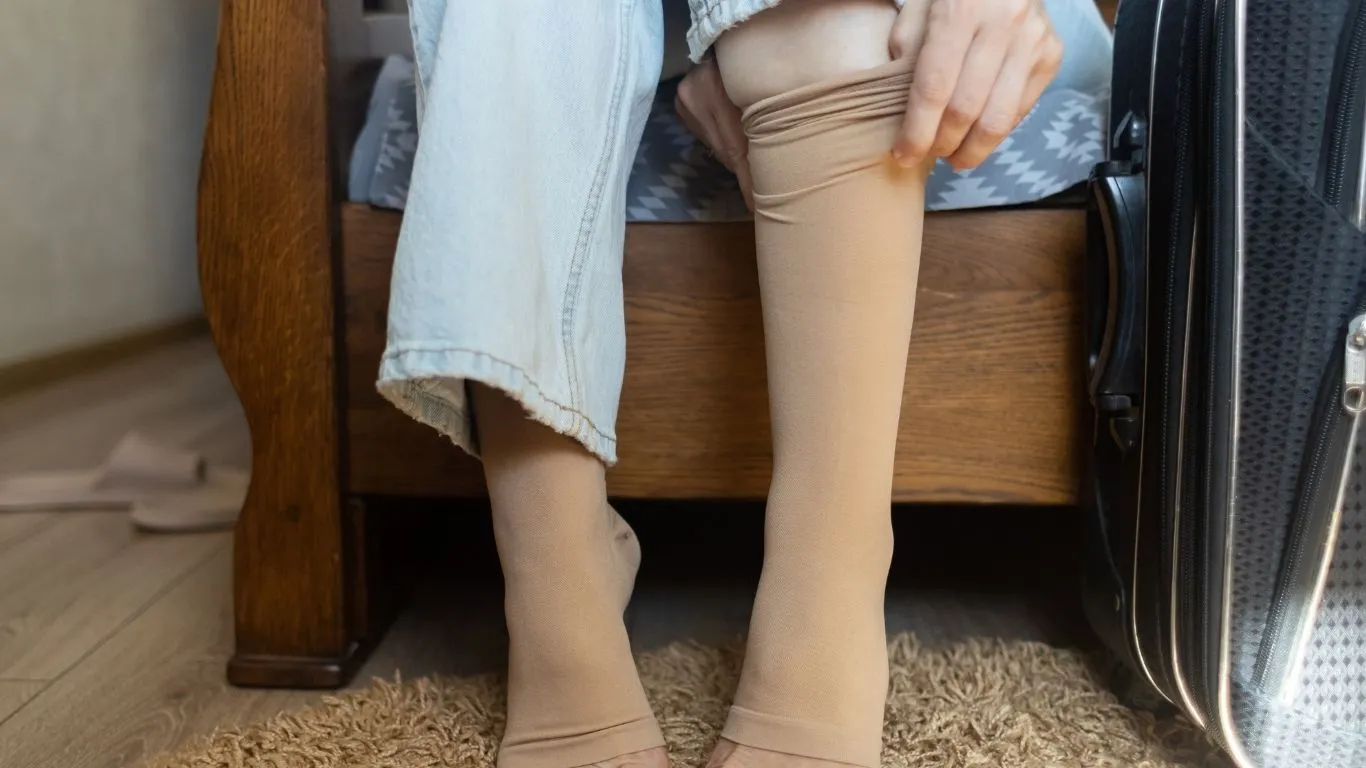
Wear Compression Stockings
Compression stockings improve blood flow back to the heart, reduce pooling in veins, relieve discomfort, and prevent worsening of vein swelling.
Engage in Light Exercise
Walking, swimming, or gentle movement strengthens leg muscles and enhances circulation, easing pressure on veins.
Elevate Your Legs
Raising legs during rest helps relieve vein pressure and promotes proper blood return to the heart.
Monitor Weight Gain
Maintaining healthy weight gain during pregnancy reduces pressure on veins and limits vein enlargement.
Avoid Long Periods of Sitting or Standing
Take breaks and move frequently to improve circulation and reduce the risk of swollen veins.
Treatment After Delivery
Most pregnancy-related vein swelling improves naturally after childbirth as blood volume, hormone levels, and vein pressure normalize. For persistent or painful veins, medical treatments may include:
- Laser therapy or sclerotherapy injections.
- Surgery in rare or severe cases.
- Continued use of compression stockings for support.
When to Consult a Doctor
Seek medical advice if you notice:
- Severe swelling or persistent leg pain.
- Skin changes or ulcers near veins.
- Signs of vein inflammation, such as redness or fever.
Conclusion
Vein enlargement during pregnancy is common but manageable. Preventive measures like light exercise, compression stockings, and healthy weight management can reduce its occurrence. Most cases improve after delivery, but treatment options are available for persistent or severe vein problems affecting comfort.
Read more: Pre-vascular catheterization instructions
References:
 English
  Arabic