

12 Mar Abdominal Aortic Aneurysm (AAA)
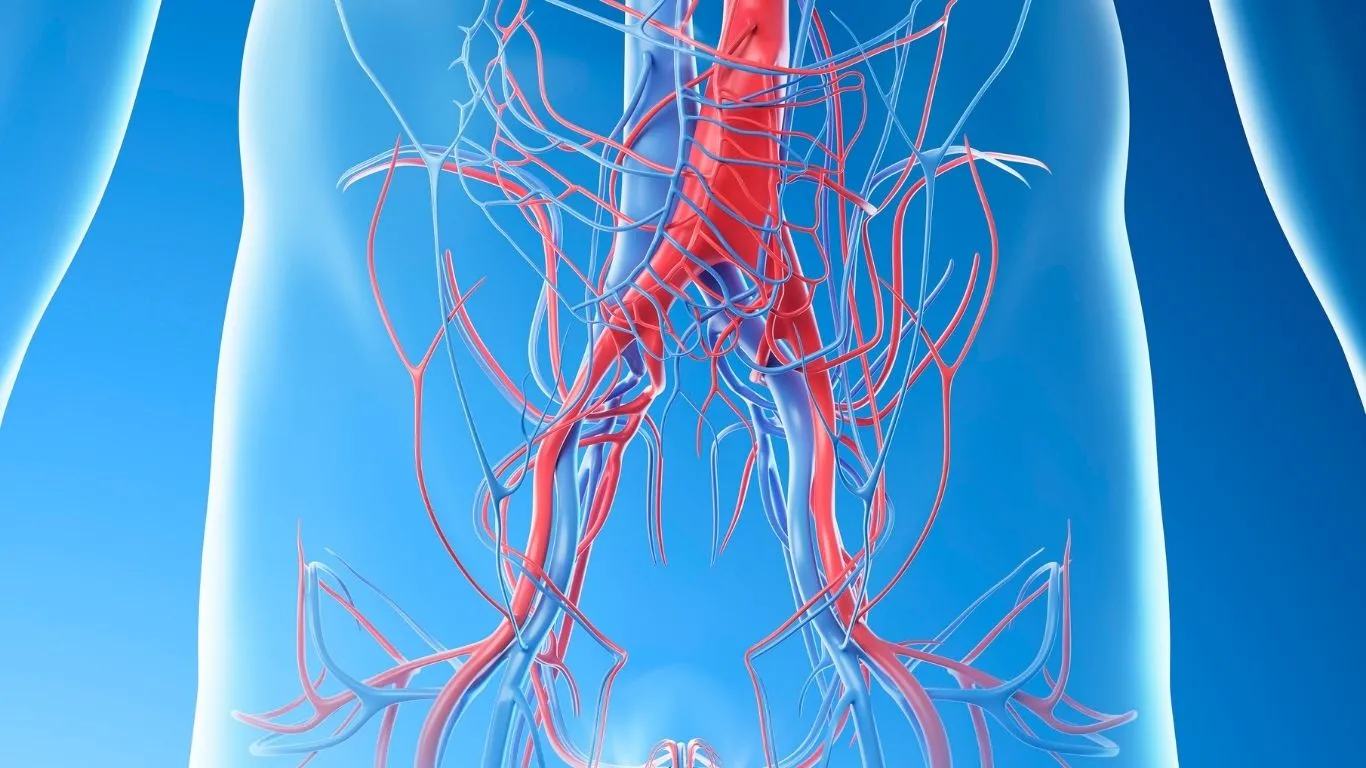
Abdominal aortic aneurysm (AAA) is a serious vascular condition that can develop silently without clear symptoms, making early awareness and diagnosis crucial. The aorta is the largest artery in the body, responsible for carrying oxygen-rich blood from the heart to the rest of the body. When the wall of this artery weakens in the abdominal region, it can expand abnormally, potentially leading to life-threatening complications.
What Is an Abdominal Aortic Aneurysm?
An abdominal aortic aneurysm occurs when the diameter of the aorta in the abdomen enlarges abnormally. It is generally considered an aneurysm when the aorta exceeds 3 centimeters in diameter. This expansion results from a gradual weakening of the arterial wall, making it less capable of withstanding continuous blood pressure.
The danger lies in the fact that the aneurysm may grow without causing any symptoms until it ruptures—a medical emergency that can result in severe internal bleeding and pose a serious risk to life.
Causes of Abdominal Aortic Aneurysm
Several factors can lead to an abdominal aortic aneurysm, including:
- Atherosclerosis: The most common cause, where the buildup of fats and cholesterol weakens the artery walls.
- Aging: Risk increases in individuals over 60 due to decreased blood vessel elasticity.
- Smoking: A major risk factor that directly affects arterial wall strength.
- Chronic High Blood Pressure: Continuous pressure on the arterial wall increases the likelihood of aneurysm formation.
- Genetics: A family history of aneurysms raises the risk.
- Infections or Direct Trauma: Rarely, infections or injuries can weaken the artery wall.
Symptoms of Abdominal Aortic Aneurysm
In most cases, AAA shows no early symptoms, earning it the nickname “silent killer.” However, some patients may experience:
- Persistent, deep abdominal or lower back pain
- A strong pulsating sensation in the abdomen
- Pain radiating to the hips or groin
- Low blood pressure in advanced cases
If the aneurysm ruptures, symptoms become severe and sudden, including intense pain, dizziness, loss of consciousness, and rapid heartbeat, requiring immediate medical intervention.
Diagnosis of Abdominal Aortic Aneurysm
Diagnosis primarily relies on imaging tests:
- Ultrasound: A fast and effective tool for early detection, particularly in routine screenings.
- Computed Tomography (CT) Scan: Provides detailed images of the aneurysm’s size and location.
- Magnetic Resonance Imaging (MRI): Used in specific cases for precise evaluation of blood vessels.
High-risk individuals, especially smokers and the elderly, are advised to undergo regular screenings.
Treatment of Abdominal Aortic Aneurysm
Treatment depends on the aneurysm’s size, growth rate, and the patient’s overall health:
- Medical Monitoring: Small aneurysms may be monitored regularly with risk factor management.
- Medication: Helps control blood pressure and cholesterol but does not treat the aneurysm itself.
- Open Surgery: The damaged portion of the artery is replaced with a synthetic graft.
- Endovascular Repair (EVAR): A minimally invasive procedure that inserts a stent to reinforce the artery wall.
Prevention and Risk Reduction
The risk of developing an abdominal aortic aneurysm can be lowered through:
- Quitting smoking
- Managing blood pressure
- Maintaining a healthy diet
- Engaging in regular physical activity
- Undergoing routine screenings if at risk
By understanding the causes, symptoms, and preventive measures of AAA, patients can take proactive steps to protect their vascular health and reduce the risk of life-threatening complications.
Read More: Post-Varicose Vein Surgery Instructions
References:
 English
  Arabic