

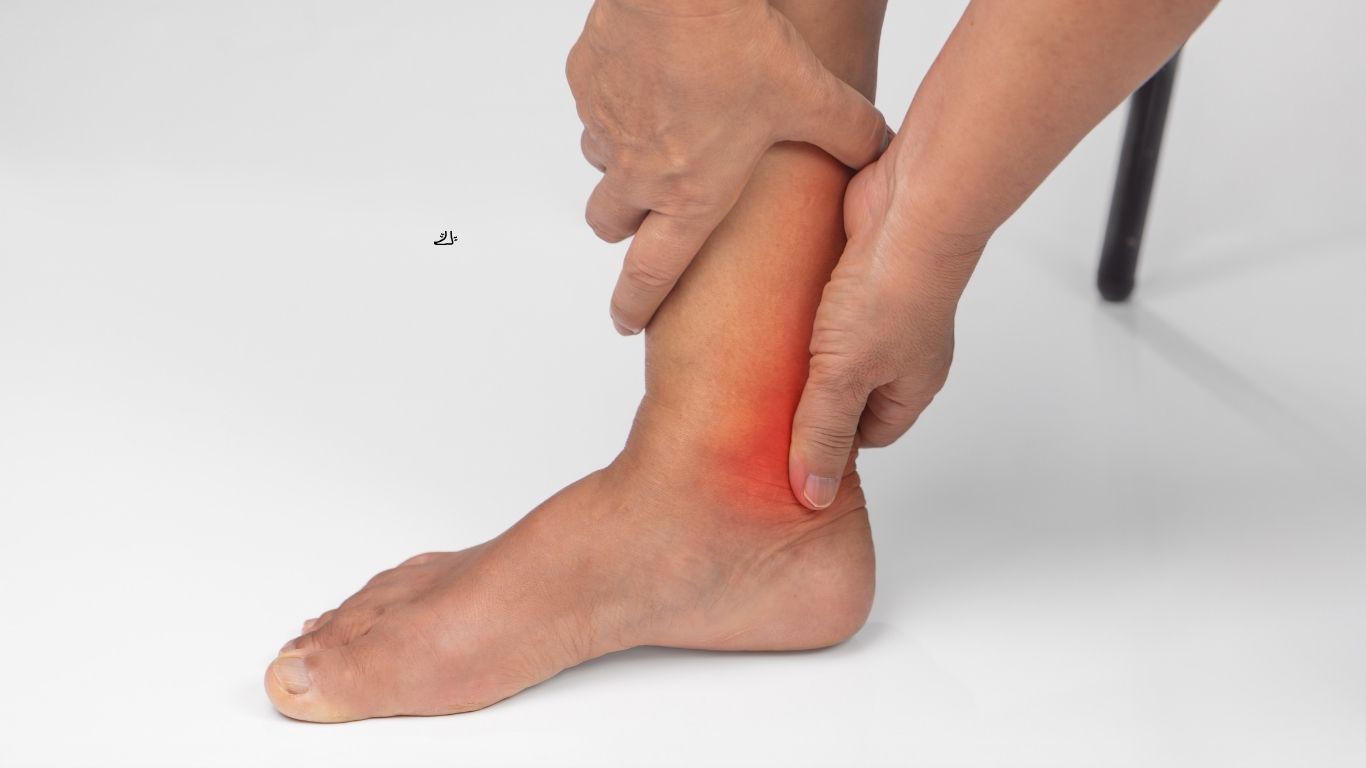
01 Jun When Does Leg Pain Become a Condition That Requires a Vascular Specialist?
Leg pain is a common symptom that can affect people of all ages. In many cases, the cause is simple, such as muscle strain, prolonged standing, or intense physical activity. However, in some situations, leg pain may be an early warning sign of a vascular problem that requires medical evaluation.
The importance of recognizing the nature of the pain and its associated symptoms lies in the fact that some arterial and venous diseases can develop silently in the early stages and later lead to serious complications if not diagnosed in time. Understanding when leg pain requires consultation with a vascular specialist helps ensure early detection and better treatment outcomes.
What Are the Common Causes of Leg Pain?
Not all leg pain is related to vascular disease. In fact, it can result from many different conditions, including:
- Muscle strain or physical overuse
- Ligament or tendon injuries
- Joint problems such as arthritis or knee degeneration
- Herniated disc and sciatica
- Peripheral neuropathy
However, when the pain is related to impaired blood flow in the arteries or veins, evaluation by a vascular specialist may be necessary.
Leg Pain Caused by Reduced Blood Flow
The leg muscles require a constant supply of oxygen-rich blood during movement. When the arteries become narrowed or blocked due to the buildup of fatty deposits and plaque, blood flow decreases, leading to pain.
This condition is known as Peripheral Artery Disease (PAD), one of the most common vascular disorders, especially among smokers, diabetic patients, and individuals with high cholesterol levels.
Pain That Appears While Walking and Improves with Rest
One of the most important warning patterns is known as intermittent claudication.
In this condition:
- Pain or cramping begins during walking
- It gradually worsens with continued activity
- It disappears or improves after resting for a few minutes
- It returns again when walking resumes
This pattern is a classic sign of reduced blood flow due to arterial narrowing or blockage in the legs.
When Should You See a Vascular Specialist?
There are several symptoms that suggest leg pain may be more than a simple muscular issue and could be related to a circulatory disorder.
Recurrent Pain During Walking
If pain consistently occurs at a similar walking distance and improves with rest, it may indicate peripheral artery disease.
Cold Foot or Leg
Reduced blood flow may cause one or both feet to feel persistently colder than the rest of the body.
Skin Color Changes
The skin may appear pale, bluish, or purplish due to insufficient circulation.
Slow-Healing Wounds
Wounds or ulcers that take a long time to heal may indicate poor blood supply to the lower limbs.
Numbness or Reduced Sensation
In some cases, poor circulation may be associated with tingling or numbness in the feet.
Pain at Rest
If pain becomes present even while sitting or lying down, it may indicate a more advanced stage of arterial disease that requires urgent evaluation.
What About Leg Swelling?
Leg swelling is more commonly related to venous problems rather than arterial disease, especially when accompanied by:
- Sudden swelling in one leg
- Pain or tenderness in the calf
- Redness or warmth of the skin
In some cases, this may indicate deep vein thrombosis (DVT), a serious condition that requires prompt diagnosis and treatment.
Who Is at Higher Risk of Vascular Problems?
The risk of arterial and venous diseases is higher in:
- Patients with diabetes
- Smokers
- Individuals with high blood pressure
- People with high cholesterol
- Older adults
- Patients with cardiovascular disease
- Those with a family history of vascular disorders
These individuals should not ignore any unusual or persistent leg pain.
How Is Leg Pain Evaluated by a Vascular Specialist?
Diagnosis is based on medical history, physical examination, and may include:
Ankle-Brachial Index (ABI)
This test compares blood pressure in the ankle and arm to assess blood flow to the legs.
Doppler Ultrasound
This imaging technique evaluates blood flow in arteries and veins and detects narrowing or blockages.
Vascular Imaging
CT angiography or diagnostic catheter angiography may be used for a more detailed assessment when needed.
Can Vascular-Related Leg Pain Be Treated?
Treatment depends on the underlying cause and severity of the condition and may include:
- Smoking cessation
- Controlling blood sugar, blood pressure, and cholesterol
- Regular physical activity under medical guidance
- Medications that improve blood flow
- Endovascular procedures such as balloon angioplasty or stent placement
- Vascular surgery in advanced cases
Early diagnosis significantly improves treatment success and reduces complications.
Conclusion
Leg pain is not always a simple result of fatigue or muscle strain. In some cases, it may be an early sign of arterial or venous disease that requires medical evaluation. If the pain recurs during walking, is associated with cold feet, skin color changes, or slow-healing wounds, consulting a vascular specialist is essential to determine the cause and begin appropriate treatment before the condition progresses.
Read More: Pre-vascular catheterization instructions
References:
 English
  Arabic