

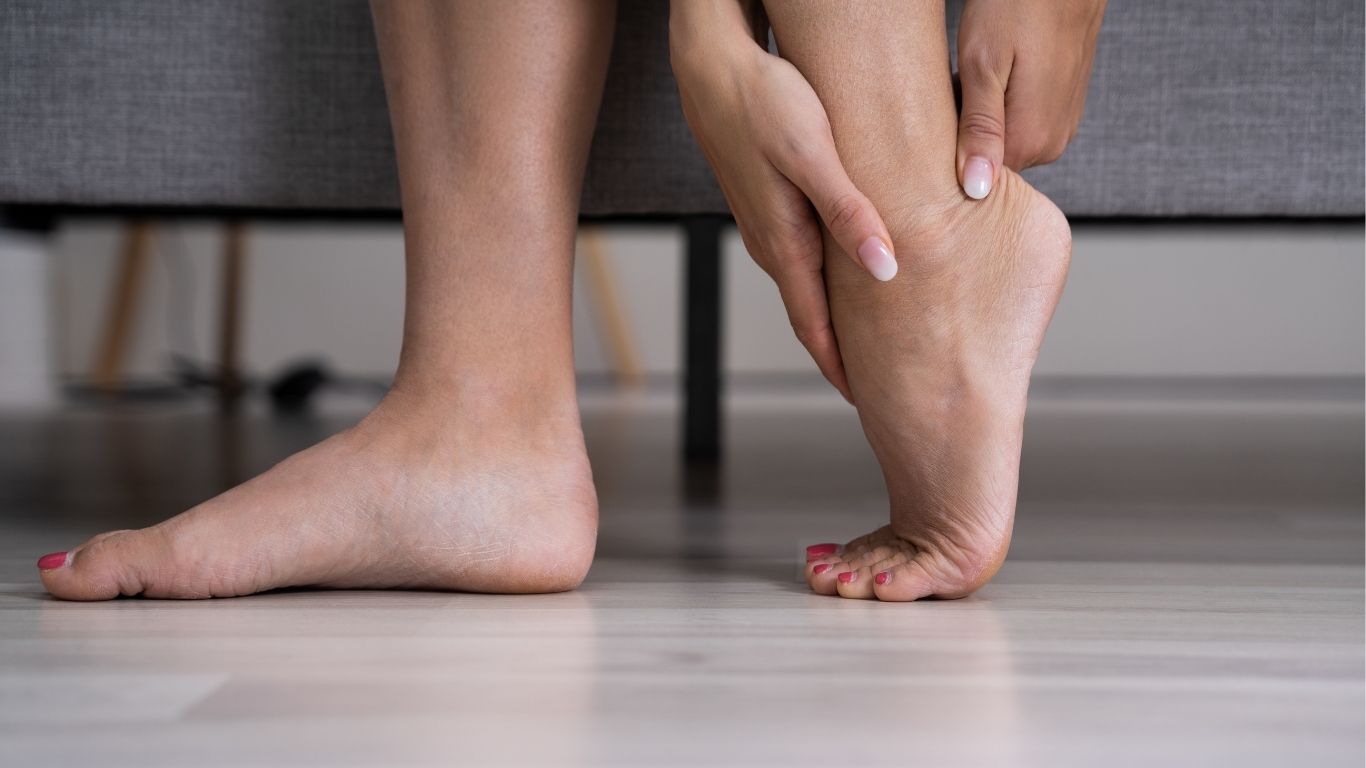
02 Jul Heavy Feeling in the Legs: When Is It Normal and When Is It a Warning Sign?
A heavy feeling in the legs is a common complaint that affects many people. It may develop after a long day of standing, sitting, or intense physical activity. In some cases, however, it can be a sign of an underlying medical condition that requires evaluation and treatment.
People describe this sensation differently. Some feel as though their legs are unusually tired or weighed down, while others experience difficulty walking, fatigue, or a sense that their legs are harder to move than usual.
In this article, we’ll discuss the common causes of heavy legs, associated symptoms, warning signs that should not be ignored, available treatment options, and practical ways to prevent the problem.
What Does a Heavy Feeling in the Legs Mean?
A heavy feeling in the legs refers to an abnormal sensation that makes the legs or feet feel tired, sluggish, or unusually heavy. This feeling may be temporary and disappear after rest, or it may persist and interfere with everyday activities.
Rather than being a disease itself, heavy legs are considered a symptom that can result from simple lifestyle factors or more serious conditions affecting the veins, arteries, nerves, muscles, or joints.
What Causes Heavy Legs?
There are several possible causes of heavy legs, including:
Prolonged Standing or Sitting
Standing or sitting for extended periods is one of the most common causes. Remaining in the same position for too long slows blood circulation in the legs, making it harder for blood to return to the heart efficiently. As a result, the legs may feel heavy and fatigued, especially by the end of the day.
Varicose Veins
Varicose veins develop when the valves inside the veins become weak, allowing blood to pool instead of flowing back toward the heart. This often causes heaviness in the legs that worsens after prolonged standing, along with enlarged, twisted veins.
Chronic Venous Insufficiency
Chronic venous insufficiency occurs when the veins cannot effectively return blood to the heart. The resulting blood pooling leads to swelling, aching, fatigue, and a persistent feeling of heaviness in the legs.
Muscle Fatigue
Overexercising, walking long distances, or lifting heavy objects can strain the muscles of the legs, leading to temporary heaviness, soreness, and stiffness.
Pregnancy
Many pregnant women experience heavy legs due to weight gain, fluid retention, and pressure from the growing uterus on major veins, which slows blood flow from the lower limbs.
Obesity
Excess body weight places additional stress on the joints and blood vessels, increasing the likelihood of poor circulation and persistent leg heaviness.
Poor Blood Circulation
Reduced blood flow caused by narrowed arteries can lead to tired, heavy legs, especially during walking or physical activity. This condition is more common among smokers and people with diabetes or high cholesterol.
Nerve Disorders
Certain neurological conditions, including diabetic neuropathy and vitamin B12 deficiency, may cause heavy legs accompanied by numbness, tingling, or muscle weakness.
Restless Legs Syndrome
Restless legs syndrome is a neurological disorder that creates an irresistible urge to move the legs. Many people also report heaviness, discomfort, or unusual sensations, particularly while resting or before bedtime.
Certain Medications
Some medications may contribute to fluid retention or reduced circulation, resulting in heavy legs. These may include certain blood pressure medications, hormonal therapies, and antidepressants.
What Symptoms May Accompany Heavy Legs?
The accompanying symptoms depend on the underlying cause and may include:
- Swelling of the feet or ankles.
- Leg pain or muscle cramps.
- Fatigue while walking.
- Numbness or tingling.
- Burning sensations.
- Visible varicose veins.
- Changes in skin color or temperature.
- Tightness or itching in the legs.
When Is a Heavy Feeling in the Legs Serious?
In many cases, heavy legs are not a cause for concern if the symptoms improve with rest. However, immediate medical attention is recommended if any of the following warning signs occur.
Sudden Swelling in One Leg
Sudden swelling affecting only one leg may indicate deep vein thrombosis (DVT), especially if accompanied by pain, redness, and warmth.
Severe Pain with Skin Color Changes
If the leg becomes pale, bluish, cold, or extremely painful, this may signal a sudden loss of blood flow and requires emergency medical care.
Shortness of Breath or Chest Pain
If heavy legs are followed by sudden shortness of breath or chest pain, a blood clot may have traveled to the lungs, causing a pulmonary embolism, which is a life-threatening emergency.
Sudden Weakness or Loss of Movement
Sudden leg weakness, inability to move the leg, or loss of sensation may indicate a neurological emergency that requires prompt evaluation.
Persistent or Worsening Symptoms
If the heaviness lasts for several weeks, progressively worsens, or significantly affects daily life, medical evaluation is necessary to identify the underlying cause.
How Is the Cause Diagnosed?
Diagnosis begins with a medical history and physical examination. Depending on the suspected cause, your healthcare provider may recommend:
- Doppler ultrasound to assess blood flow in the veins and arteries.
- Blood tests to check for diabetes, anemia, thyroid disorders, or other medical conditions.
- Vitamin B12 testing.
- Nerve conduction studies if nerve damage is suspected.
- X-rays or MRI scans when clinically indicated.
How Is a Heavy Feeling in the Legs Treated?
Treatment depends on the underlying cause and may include:
- Managing varicose veins or chronic venous insufficiency.
- Wearing compression stockings.
- Exercising regularly to improve circulation.
- Elevating the legs above heart level several times a day.
- Avoiding prolonged standing or sitting.
- Achieving and maintaining a healthy weight.
- Controlling diabetes, high blood pressure, and cholesterol levels.
- Treating vitamin deficiencies or neurological disorders.
- Taking prescribed medications when appropriate.
Can Heavy Legs Be Prevented?
Although not all cases can be prevented, healthy lifestyle habits can significantly reduce the risk of developing heavy legs.
These include:
- Walking regularly to promote healthy circulation.
- Avoiding prolonged periods of sitting or standing.
- Moving the feet and ankles frequently during travel or desk work.
- Maintaining a healthy body weight.
- Drinking plenty of water.
- Reducing salt intake to minimize fluid retention.
- Wearing comfortable, supportive footwear.
- Quitting smoking to protect blood vessel health.
Read More: Can Vasculitis be Cured?
References:
 English
  Arabic