
01 مارس Superficial Venous Thrombosis and Its Treatments
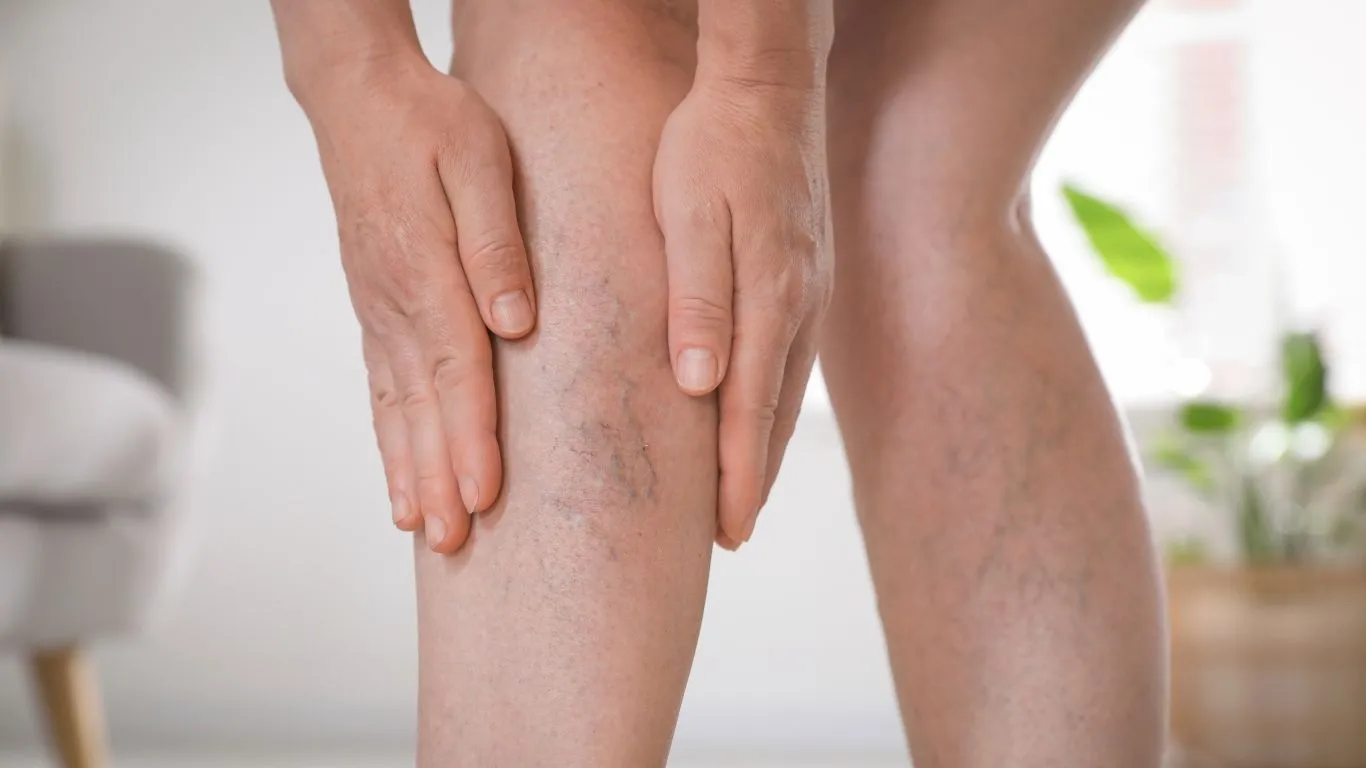
Superficial venous thrombosis (SVT) is a medical condition in which a blood clot forms in a vein located near the surface of the skin, most commonly in the veins of the legs. Although it is generally less serious than deep vein thrombosis (DVT), it can still cause pain, localized inflammation, and may require medical evaluation in some cases.
This condition is also known as superficial thrombophlebitis, where inflammation occurs in the affected vein due to the formation of a clot inside it.
Common Symptoms of Superficial Venous Thrombosis
Symptoms usually appear in the area of the affected vein, and may include:
- Pain or tenderness along the vein
- Redness or purplish discoloration of the skin over the vein
- Warmth in the affected area
- Severe pain when touching the area
- Mild swelling around the vein
- The vein may appear prominent or hardened under the skin
In many cases, the affected vein can feel like a firm cord under the skin.
Causes and Risk Factors
SVT can occur due to several factors that affect blood flow within the veins, including:
- Varicose veins, such as those in the legs
- Age over 60
- Pregnancy or recent childbirth
- Recent surgery
- Cancer, heart failure, or respiratory insufficiency
- Obesity
- Prolonged sitting or immobility
- Injuries or trauma to the veins
- Use of intravenous catheters
- Gender: women are more susceptible than men
Is Superficial Venous Thrombosis Dangerous?
In most cases, SVT is limited and resolves within a few weeks with appropriate treatment. However, the clot can occasionally extend into the deep veins, potentially leading to deep vein thrombosis (DVT), which is more serious.
It is therefore recommended to consult a doctor if symptoms appear, especially if there is severe pain or noticeable swelling in the leg.
Diagnosis
To diagnose SVT, the doctor typically begins with a clinical examination, assessing symptoms such as pain, redness, and localized vein hardness.
A Doppler ultrasound of the veins may also be performed to confirm the presence of a clot, determine its extent, and ensure it has not reached the deep veins.
Treatment of Superficial Venous Thrombosis
Medication
Medical treatment aims to relieve pain and inflammation while preventing clot progression or extension into deep veins:
- Nonsteroidal anti-inflammatory drugs (NSAIDs): such as ibuprofen, help reduce pain and swelling.
- Medical caution: NSAIDs should be used carefully in patients with stomach problems such as ulcers or gastrointestinal bleeding, as they may exacerbate these conditions. In such cases, the doctor may recommend milder pain relievers or medications that protect the stomach lining.
- Medical caution: NSAIDs should be used carefully in patients with stomach problems such as ulcers or gastrointestinal bleeding, as they may exacerbate these conditions. In such cases, the doctor may recommend milder pain relievers or medications that protect the stomach lining.
- Anticoagulants: may be prescribed in certain situations, particularly if the clot is near deep veins or poses a risk of spreading. These can be oral tablets or injections, with dosage and duration determined by the physician.
Topical and Supportive Measures
- Warm compresses: applied to the affected area several times a day to relieve pain and improve blood flow
- Compression stockings: support the veins, reduce swelling, and prevent clot enlargement
- Elevating the leg while resting: helps reduce swelling and improves venous return to the heart
Interventional Treatment in Complex Cases
If the condition does not improve with medication and supportive care, or if the clot is close to deep veins:
- Interventional procedures: such as catheter-based clot removal or placing a filter to prevent clot migration to deep veins
- Follow-up with ultrasound: ensures the clot does not extend or cause deep vein blockage
Tips for Recovery and Preventing Complications
- Avoid prolonged sitting or standing; try to move regularly to promote circulation
- Drink enough water to maintain blood fluidity
- Follow the treatment plan prescribed by your physician
- Consult your doctor immediately if you experience sudden swelling, severe pain, or changes in skin color around the affected vein
Read More: Varicose Veins After Treatment
References:
 Arabic
  English