
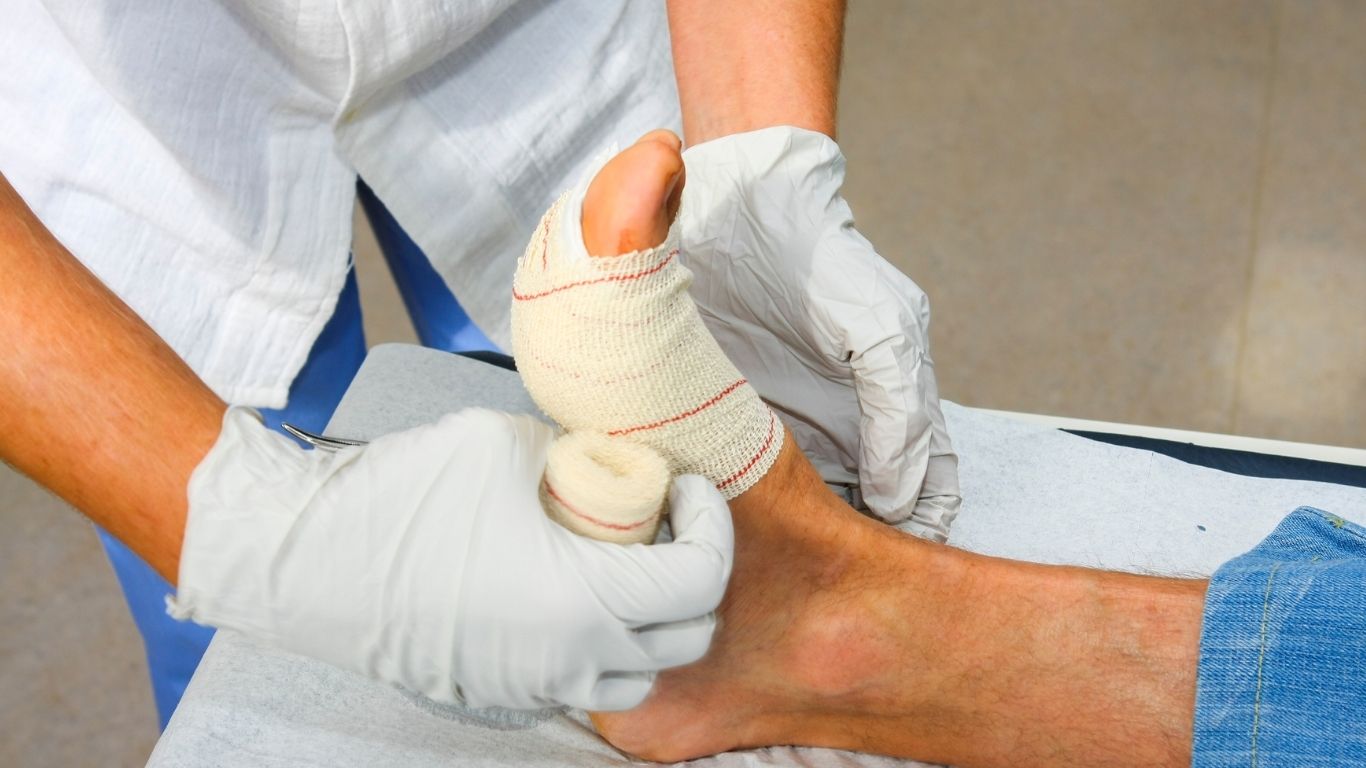
01 يونيو Causes of Non-Healing Foot Wounds: The Problem May Be in the Arteries, Not the Skin
Many people assume that wounds that take a long time to heal are simply caused by a skin problem or a local infection. However, the causes of non-healing foot wounds can be far more complex. In many cases, the underlying issue is poor blood flow to the foot due to narrowed or blocked arteries, which deprives tissues of the oxygen and nutrients necessary for proper healing.
This problem is particularly common among people with diabetes, smokers, older adults, and individuals with vascular diseases. Understanding the causes of non-healing foot wounds can help ensure early diagnosis and appropriate treatment before serious complications develop.
How Do Foot Wounds Normally Heal?
For a wound to heal properly, the body requires an adequate blood supply to the affected area. Blood delivers oxygen, nutrients, and immune cells that help fight infection and repair damaged tissues.
The wound-healing process typically involves several stages:
- Stopping the bleeding
- Controlling inflammation and infection
- Forming new tissue
- Rebuilding the skin and closing the wound
When any of these stages are disrupted, wound healing may slow down or the wound may become chronic.
Causes of Non-Healing Foot Wounds
Several factors can contribute to delayed wound healing, but one of the most important is poor circulation caused by arterial disease.
The most common causes of non-healing foot wounds include:
Poor Blood Circulation
Reduced blood flow is one of the most serious causes of delayed wound healing. When the arteries in the legs become narrowed or blocked by fatty deposits and plaque buildup, less blood reaches the foot.
As a result:
- Oxygen delivery to the wound decreases.
- Tissue regeneration slows down.
- The body’s ability to fight infection is weakened.
- The risk of tissue damage increases.
This condition is known as Peripheral Artery Disease (PAD) and is a major cause of chronic foot wounds.
Diabetes
Diabetes affects both blood vessels and nerves.
On one hand, it damages circulation and reduces blood flow to the feet. On the other, it can cause nerve damage that reduces sensation, making it difficult for patients to notice small injuries or wounds.
For this reason, diabetic foot wounds often require careful vascular evaluation.
Chronic Infections
Bacterial or fungal infections can interfere with the body’s natural healing process, especially if they are not properly treated.
Smoking
Smoking causes blood vessels to narrow and reduces oxygen delivery to tissues, significantly increasing the risk of poor wound healing.
Poor Nutrition
Wound healing depends on adequate levels of protein, vitamins, and minerals. Deficiencies in these nutrients may slow the healing process.
When Do Chronic Wounds Indicate an Arterial Problem?
In many cases, signs of poor circulation accompany the wound itself.
Common warning signs include:
- Leg pain during walking that improves with rest
- Persistent coldness in the feet
- Pale or discolored skin
- Weak pulses in the foot
- Slow-healing wounds
- Hair loss on the legs
- Thickened or slow-growing toenails
The presence of these symptoms alongside a wound increases the likelihood of an underlying arterial disease.
Who Is Most at Risk for Non-Healing Foot Wounds?
The risk of delayed wound healing is higher among:
- People with diabetes
- Smokers
- Individuals with high cholesterol
- Patients with high blood pressure
- Older adults
- People with heart and vascular diseases
- Those with a family history of arterial disease
Any wound that persists for an extended period should be carefully evaluated in these high-risk groups.
How Are the Causes of Non-Healing Foot Wounds Diagnosed?
When investigating the causes of non-healing foot wounds, doctors evaluate not only the wound itself but also the circulation in the affected limb.
Common diagnostic tests include:
Ankle-Brachial Index (ABI)
This test compares blood pressure in the ankle with blood pressure in the arm to assess blood flow in the legs.
Doppler Ultrasound
Doppler ultrasound uses sound waves to evaluate circulation and identify narrowed or blocked arteries.
Vascular Imaging
CT angiography, MR angiography, or diagnostic angiography may be used to obtain detailed images of the arteries.
Why Is Treating the Wound Alone Not Enough?
Many patients focus only on creams, dressings, and topical wound care. However, these treatments may have limited effectiveness if poor circulation is the underlying problem.
Even the most advanced wound-care products cannot achieve optimal healing if the tissues are not receiving enough blood and oxygen.
Therefore, addressing the root cause is essential for successful treatment.
Treatment for Non-Healing Foot Wounds Caused by Arterial Blockages
Treatment depends on the severity and location of the blockage and may include:
Managing Risk Factors
- Controlling blood sugar levels
- Managing blood pressure
- Lowering cholesterol levels
- Quitting smoking
Medications
Doctors may prescribe medications to improve blood flow and reduce the risk of blood clots.
Endovascular Catheter-Based Treatments
Minimally invasive vascular procedures have become a cornerstone in the treatment of blocked leg arteries.
These procedures may involve:
- Balloon angioplasty to widen narrowed arteries
- Stent placement to keep arteries open
- Removal of certain blockages or calcified plaques
جراحة الأوعية الدموية
In more advanced cases, bypass surgery may be required to restore blood flow around the blocked artery.
When Should You See a Vascular Specialist?
Medical evaluation is recommended if you experience:
- A wound that does not heal after several weeks
- Severe foot pain
- Changes in skin or toe color
- Drainage or discharge from the wound
- Blackening of tissues
- Recurrent wounds on the foot or leg
Early diagnosis significantly improves treatment outcomes and reduces the risk of serious complications.
Conclusion
The causes of non-healing foot wounds are varied, but poor circulation caused by narrowed or blocked arteries is one of the most important factors that should not be overlooked. When wounds do not receive enough blood and oxygen, healing slows down and complications can develop. Early diagnosis and vascular assessment play a crucial role in treating chronic wounds and preserving limb health, especially among people with diabetes and those at risk for vascular disease.
Read more: Post-Varicose Vein Surgery Instructions
References:
 Arabic
  English