

03 فبراير Carotid Artery Stenosis: Symptoms, Causes, and Treatment Options
The carotid arteries are vital blood vessels responsible for delivering oxygen-rich blood to the brain and head. When these arteries become narrowed or blocked due to plaque buildup (atherosclerosis), it significantly increases the risk of stroke. In this article, we’ll explore the symptoms of carotid artery stenosis, how it’s diagnosed, and the available treatment methods.
What Is Carotid Artery Stenosis?
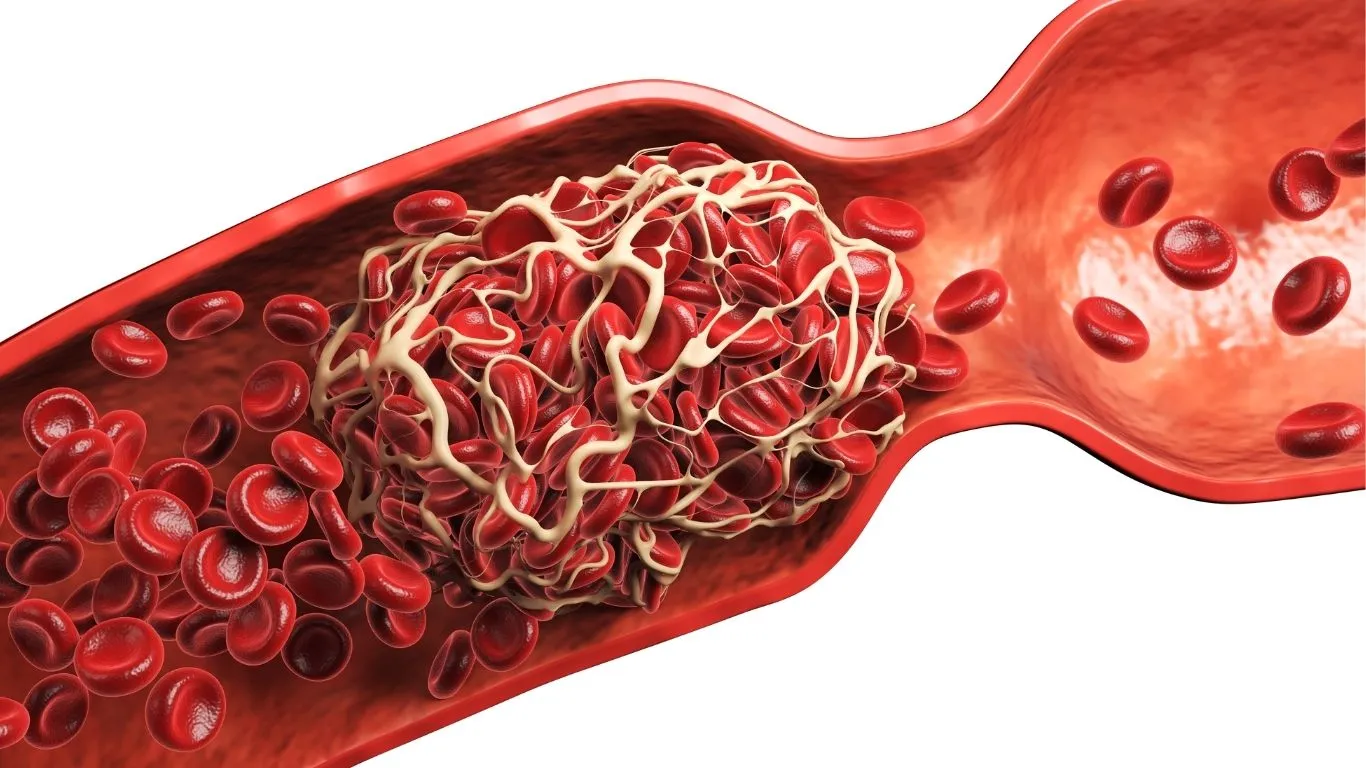
Carotid artery stenosis occurs when fatty plaques and cholesterol accumulate along the walls of the carotid arteries, located on either side of the neck. This narrowing reduces blood flow to the brain, increasing the risk of stroke or transient ischemic attacks (TIAs).
Risk Factors
Before diving into the symptoms, it’s important to understand the risk factors that may contribute to this condition, including:
- Uncontrolled high blood pressure
- Smoking
- Diabetes
- High cholesterol and triglyceride levels
- Family history of atherosclerosis or coronary artery disease
- Aging
- Obesity
- Obstructive sleep apnea
- Sedentary lifestyle
Symptoms of Carotid Artery Stenosis
The danger of carotid artery stenosis lies in the fact that it often develops silently, without noticeable symptoms—until a stroke or TIA occurs. Warning signs in such cases may include:
- Sudden numbness or weakness on one side of the body, especially in the face or limbs
- Difficulty speaking or understanding speech
- Vision problems in one or both eyes
- Sudden dizziness or loss of balance
- A sudden, severe headache with no known cause
How Is Carotid Artery Stenosis Diagnosed?
Diagnosis typically begins with a detailed review of your medical and family history, followed by a physical exam. Your doctor may listen for a “bruit” — an abnormal sound over the neck — indicating turbulent blood flow.
Imaging and Diagnostic Tests:
- Carotid Ultrasound (Doppler):
This non-invasive test uses sound waves to assess blood flow and detect narrowing in the carotid arteries. - CT Scan or MRI:
These scans help identify if the patient has had a stroke or other brain-related issues caused by poor blood supply. - CT Angiography (CTA) or Magnetic Resonance Angiography (MRA):
These provide detailed images of the arteries after contrast dye is injected into the bloodstream, helping to locate and evaluate the severity of any blockages. - Cerebral Angiography:
In some advanced cases, this test may be used to visualize blood vessels in even greater detail.
Additionally, the doctor may conduct neurological assessments, including memory, speech, and motor tests, to detect signs of reduced blood flow to the brain.
Treatment Options for Carotid Artery Stenosis
Treatment depends on the severity of the narrowing, presence of symptoms, and overall health status. Options include:
1. Medication and Lifestyle Modifications
For mild to moderate narrowing:
- Statins to lower cholesterol
- Antiplatelet medications like aspirin to prevent blood clots
- Controlling blood pressure and blood sugar
- Smoking cessation
- Regular physical activity and a healthy diet
2. Carotid Endarterectomy (CEA)
This surgical procedure removes the plaque from inside the artery through an incision in the neck. It’s most effective for patients with severe blockage (usually over 70%) and significantly reduces the risk of stroke.
3. Carotid Artery Stenting (CAS)
A minimally invasive alternative for those who may not tolerate surgery. A catheter is inserted through the groin to place a stent that keeps the artery open.
Can Carotid Artery Stenosis Be Prevented?
Yes, prevention is possible through lifestyle changes:
- Avoid smoking
- Maintain healthy blood pressure and cholesterol levels
- Manage diabetes effectively
- Engage in regular physical activity
- Follow a balanced diet rich in vegetables and low in saturated fats
- Get regular health screenings, especially after age 40
Read more: Is there a treatment for diabetic foot without amputation?
Conclusion
Carotid artery stenosis is a serious but manageable condition when detected early. Ignoring symptoms or delaying treatment can result in life-threatening complications such as stroke. If you’re at risk or notice any warning signs, seek medical attention immediately. Early diagnosis and intervention can make a lifesaving difference.
 Arabic
  English