
30 مارس The Difference Between Varicose Veins and Spider Veins
Superficial vein problems in the legs are common, with varicose veins and spider veins being the most widespread. Although they may sometimes look similar, there are clear differences between them in terms of causes, symptoms, and treatment methods. Understanding these differences helps you manage the condition properly and choose the right solution.
What Are Varicose Veins?
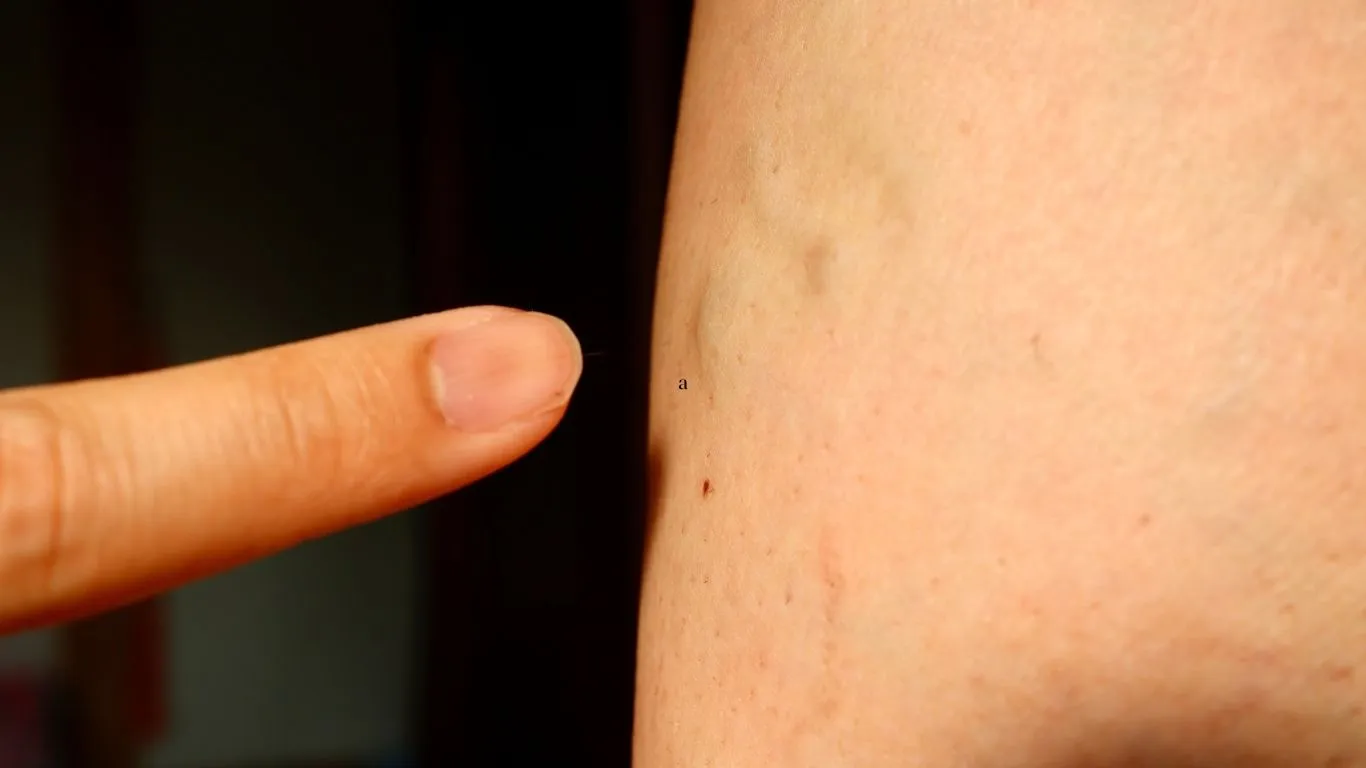
Varicose veins are enlarged, twisted veins that usually appear in the legs due to weakened vein valves that regulate blood flow back to the heart. When these valves fail, blood pools inside the vein, causing it to expand and become visibly prominent under the skin.
They are typically blue or purple in color and may be raised above the skin surface, making them easy to see and feel.
What Are Spider Veins?
Spider veins are small, dilated blood vessels that appear close to the surface of the skin. They look like thin lines or web-like patterns, often red or blue in color, and commonly appear on the legs or face.
They are generally less serious than varicose veins and are often considered more of a cosmetic issue than a medical one.
Differences in Appearance
Varicose veins:
- Large and swollen veins
- Bulging and twisted
- Easily visible and palpable
Spider veins:
- Very fine, thin vessels
- Flat and not raised
- Appear as web-like patterns or thin lines under the skin
Differences in Symptoms
Varicose veins:
- Pain or heaviness in the legs
- Swelling, especially after prolonged standing
- Burning or throbbing sensation
- Itching or skin discoloration
Spider veins:
- Usually painless
- May cause mild burning or discomfort
- Mostly a cosmetic concern
Common Causes of Both Conditions
Several shared factors increase the risk of developing varicose and spider veins, including:
- Genetic predisposition
- Prolonged sitting or standing
- Obesity or excess weight
- Pregnancy
- Hormonal changes
- Lack of physical activity
Are Varicose Veins More Serious Than Spider Veins?
Yes, varicose veins are generally more serious because they can lead to complications such as:
- Vein inflammation
- Skin ulcers
- Blood clots in advanced cases
Spider veins, on the other hand, rarely cause serious complications and are usually a cosmetic concern.
Differences in Treatment Options
Treatment of varicose veins:
- Compression stockings
- Lifestyle changes (exercise, weight loss)
- Laser therapy
- Sclerotherapy (injections)
- Surgery in advanced cases
Treatment of spider veins:
- Laser therapy: targets small vessels and gradually closes them; one of the most common methods
- Sclerotherapy: involves injecting a solution into the vein, causing it to shrink and fade over time
- Compression stockings: help improve circulation and reduce their appearance, especially in early stages
- Lifestyle changes: such as exercising, avoiding prolonged sitting or standing, and maintaining a healthy weight
In most cases, spider veins are a minor cosmetic issue, but it is still advisable to consult a doctor to determine the most suitable treatment based on the condition.
When Should You See a Doctor?
It is recommended to consult a doctor if you experience:
- Persistent leg pain
- Noticeable swelling or increasing vein size
- Skin discoloration or ulcers
- No improvement with home care measures
Conclusion
Although varicose veins and spider veins may look similar, they differ clearly in size, symptoms, and severity. Varicose veins are a medical condition that may require monitoring and treatment, while spider veins are usually a mild cosmetic concern.
Maintaining a healthy lifestyle, avoiding prolonged standing, and staying physically active can help prevent both conditions and support overall vascular health.
Read More: The Carotid artery disease and strokes
References:
 Arabic
  English