

01 مارس Top 6 Tips for Diabetic Patients to Prevent Diabetic Foot Ulcers
Foot problems are among the most common complications for people with diabetes and can sometimes lead to chronic ulcers or severe infections if not managed properly. These issues often occur due to poor circulation and nerve damage in the feet. Daily foot care and following preventive guidelines can significantly reduce the risk of developing diabetic foot ulcers. Here are the six most important tips for protecting your feet and avoiding complications.
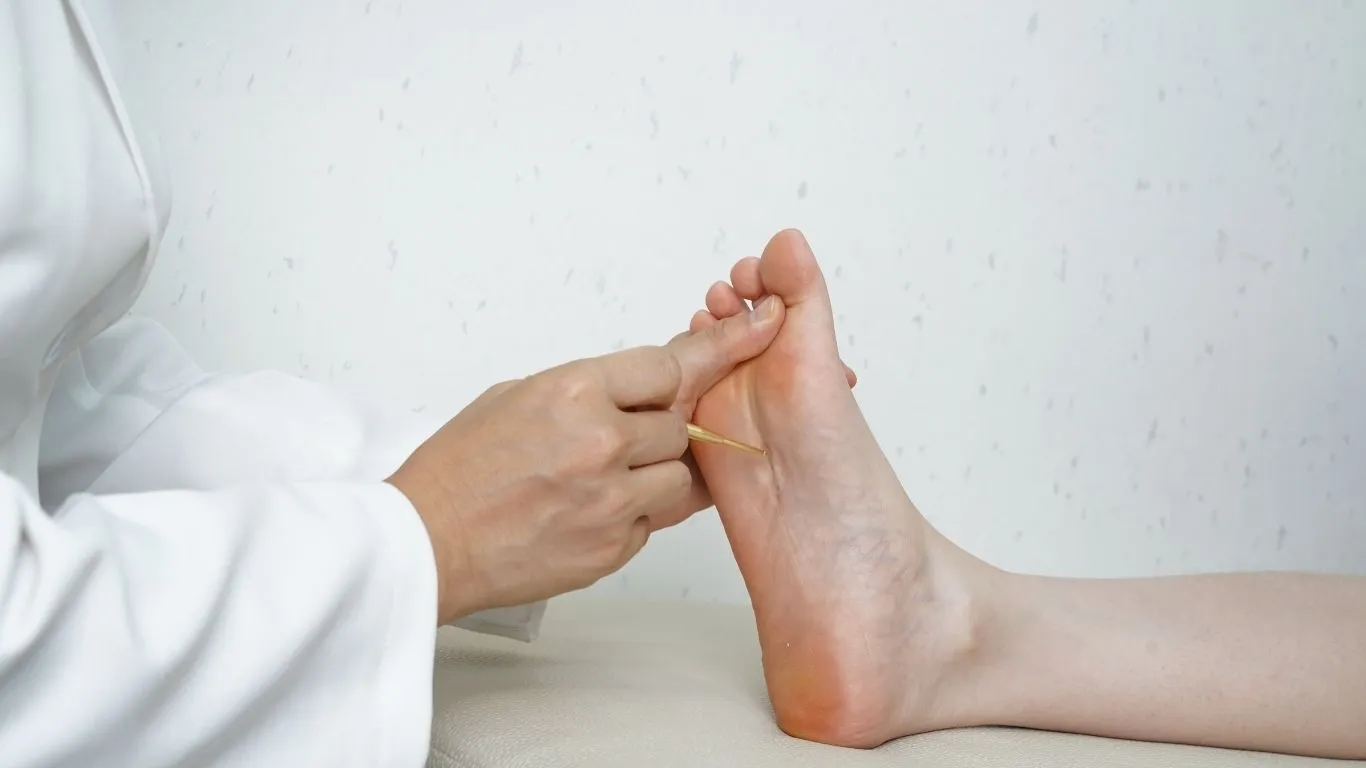
1. Inspect Your Feet Daily
Daily foot inspection is one of the most important preventive measures. Diabetic patients should check their feet every day for:
- Small cuts or scratches
- Redness or swelling
- Cracks in the skin
- Blisters or color changes
Early detection allows for treatment before any problem develops into a diabetic foot ulcer.
2. Keep Your Feet Clean and Moisturized
Wash your feet daily with lukewarm water and mild soap, and dry them thoroughly, especially between the toes. Use a moisturizer to prevent dry, cracked skin, as cracks can become entry points for bacteria and infections.
Avoid applying moisturizer between the toes, as excess moisture in this area can increase the risk of fungal infections.
3. Choose Proper Footwear
Wearing the right shoes plays a key role in protecting your feet from pressure and friction. Tips include:
- Choose comfortable shoes with a slightly roomy fit
- Avoid tight or high-heeled shoes
- Inspect shoes inside before wearing to ensure no sharp objects are present
- Wear clean cotton socks daily
These steps help reduce pressure on the feet and prevent ulcers from forming.
4. Maintain Blood Sugar Levels
Good blood sugar control is essential for protecting the feet. Chronic high blood sugar can damage nerves and reduce sensation in the feet, making it harder to notice injuries or small wounds.
Follow your prescribed treatment plan, maintain a healthy diet, and engage in regular physical activity to help prevent complications.
5. Trim Toenails Properly
Regular, straight trimming of toenails helps prevent ingrown nails. Use clean tools dedicated to foot care.
If you have difficulty trimming nails or deformities, consult a doctor or foot care specialist to avoid cuts or infections.
6. Consult Your Doctor Promptly
Never ignore any changes in your feet, such as:
- Persistent pain
- Non-healing wounds
- Swelling or redness
- Discharge or signs of infection
Early treatment of any foot problem can prevent it from developing into an ulcer or serious infection. Regular check-ups with your doctor are also recommended to assess nerve function and circulation.
Conclusion
Prevention is the most important step in managing foot problems in diabetic patients. Following daily foot care routines, maintaining cleanliness, wearing proper footwear, and monitoring blood sugar levels significantly reduce the risk of diabetic foot ulcers. Continuous medical follow-up and controlling blood sugar are essential to keep your feet healthy and avoid severe complications.
Read More: Post-Varicose Vein Surgery Instructions
References:
 Arabic
  English